
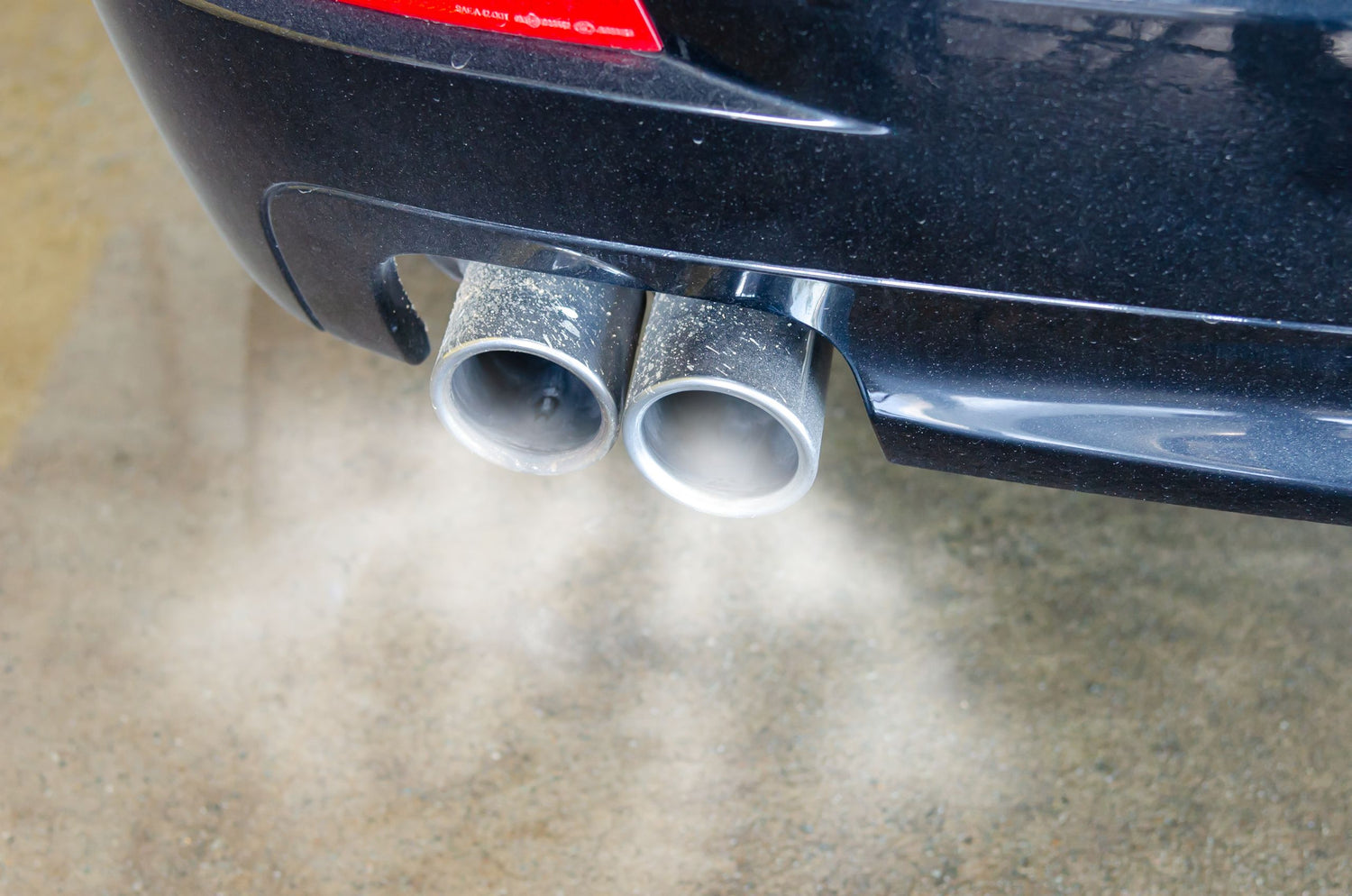
If the Air/Fuel ratio (AFR) is thrown off in your system, you could be in for a major headache. Smoke, foul odor, loss of power, and even knock or engine damage can result from a rich or lean run. Once you’ve discovered an issue with the AFR, it’s time to narrow down the cause. But how do you go about that if you’re running an Electronic Fuel Injection system (EFI)? Fear not, Aces has you covered. Let’s walk through the top reasons why your EFI system is running lean or rich.
Exhaust leak upstream of the O2 Sensor
The wideband O2 sensor that keeps track of oxygen content in the exhaust is mounted in the tailpipe. If there is an exhaust leak before the sensor, such as in the header, the sensor will read excess oxygen and compensate by calling for more fuel, resulting in a rich bog.
Solution: Inspect header gaskets, collector flanges, and the O2 bung weld for black soot tracks. Tighten loose bolts or replace blown header gaskets to ensure a 100% airtight seal before the sensor.
Faulty Engine Coolant Temperature Sensor (CTS)
At crank, the engine adds extra fuel to warm it up. If the CTS fails, is improperly grounded, or the engine lacks a thermostat, the ECU assumes the engine is perpetually cold and remains in open-loop enrichment.
Solution: Check your handheld display to confirm engine temperature reaches target operating temp (usually 160°F–180°F+). Replace a faulty sensor or install an engine thermostat if missing. You can find CTSs for sale right here at AcesEFI.com.
Excessive Fuel Pressure
ECU fuel tables assume a consistent fuel pressure. If an external regulator is misadjusted, stuck closed, or the fuel return line is kinked/restricted, excessive line pressure forces too much fuel through the injectors on every pulse.
Solution: If you’re using an Aces fuel system, you can check fuel pressure with the gauge attached to your Fuel Pressure Regulator or Command Center 2. Confirm pressure stays at spec (42-58 PSI) at idle and under load. Inspect the return line for restrictions.
Low Vacuum Signal to the MAP Sensor
Fine debris or varnish can hold an injector pintle open, or a damaged lower O-ring can allow fuel to bypass the injector tip directly into the intake runner.
Solution: Verify the MAP sensor is connected to a dedicated manifold vacuum port below the throttle blades. Replace any soft or cracked vacuum lines.
Leaking or Stuck-open Injector
On multiport fuel injection systems, fine debris or varnish can hold an injector pintle open, or a damaged lower O-ring can allow fuel to bypass the injector tip directly into the intake runner.
Solution: Pull your spark plugs and inspect them. A single black, wet, fuel-soaked plug indicates an issue with that specific cylinder's injector. Clean or replace the leaking injector and fresh O-rings. You can find new injectors, both EV1 and EV6, right here at AcesEFI.com.
Voltage Drop to the Fuel Pump
Aces EFI fuel systems get the job done, but it’s very important to ensure that they’re wired correctly. Reusing thin factory wiring, bad chassis grounds, or undersized relays drops voltage at the pump, causing fuel volume and pressure to drop drastically under load.
Solution: Measure DC voltage directly at the fuel pump terminals while the engine runs. If voltage is low, ensure that the pump is wired directly to the battery with 10- or 12-gauge wiring.
Pinpointing whether your engine’s hesitation stems from a lean starve or a rich flood comes down to reading the symptoms: sluggish acceleration paired with heavy exhaust smells points toward excess fuel, while backfiring, intake popping, and flat spots point straight to unmetered air or low fuel delivery. By systematically checking your fuel pressure, inspecting vacuum lines and exhaust connections, and verifying clean sensor feedback on your handheld display, you can eliminate throttle bog completely. Once your fuel delivery and air-fuel targets match your engine's actual demand, you'll replace that annoying stumble with the instant throttle response, reliable cold starts, and effortless drivability that aftermarket EFI was built to deliver. As always, if you have any questions about how to get your EFI system up and running smoothly, you can always reach out to our Support team.
Until next time, happy tuning!



Dejar un comentario
Este sitio está protegido por hCaptcha y se aplican la Política de privacidad de hCaptcha y los Términos del servicio.