

Proper Grounding for EFI Systems
Grounding is an important part of installing any electronic equipment into your vehicle. An improperly grounded component may not activate, or worse, short itself out and die. Grounding issues are one of the top causes of installation headaches we see at Aces EFI, so we thought we’d put together a short guide on the most common grounding mishaps.
1. PDM Grounding
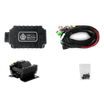
All Aces EFI second-generation systems utilize our Power Distribution Module (PDM) instead of conventional relays or fuseboxes. This offers many advantages, like streamlining wiring and preventing transient voltage leak. If you follow your installation manual, most of your vital components will be grounded to their designated negative terminals on the PDM. But this carries its own risk! If the PDM itself is not grounded, then any number of components in your EFI or fuel system could fail. This has an easy solution. Simply connect the “BAT-” terminal on your PDM securely to the negative terminal of your battery. It’s that simple!
2. Coil Harness Grounding
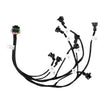
Ignition coils are triggered by a ground. If their ground is not secure, it can cause voltage issues that could fry the coils or even the ECU itself. Aces EFI coils are connected to their own sub-harness, which must be grounded to the engine head. In some cases, we’ve seen instances in which paint on the engine head prevented the coil ground from being fully secure, causing massive component damage. To prevent this, always follow these easy steps:
- Always ground your coil harness to the engine head.
- Make sure that connection is secure. If your engine head is painted, ensure the grounding point is clean and bare.
3. Engine Grounding
If you’ve recently done your own LS swap, first of all, congratulations! Secondly… Did you remember to ground your engine block? The engine typically sits on rubber on its mounts, so you may not have any solid metal-on-metal contact. If the engine isn’t properly grounded, all kinds of things could go wrong. If in doubt, just wire a solid connection point on the block to the negative battery terminal, and you should be good to go. Most LS engines even have a plate on the driver’s side for precisely this purpose!
4. Wire Size
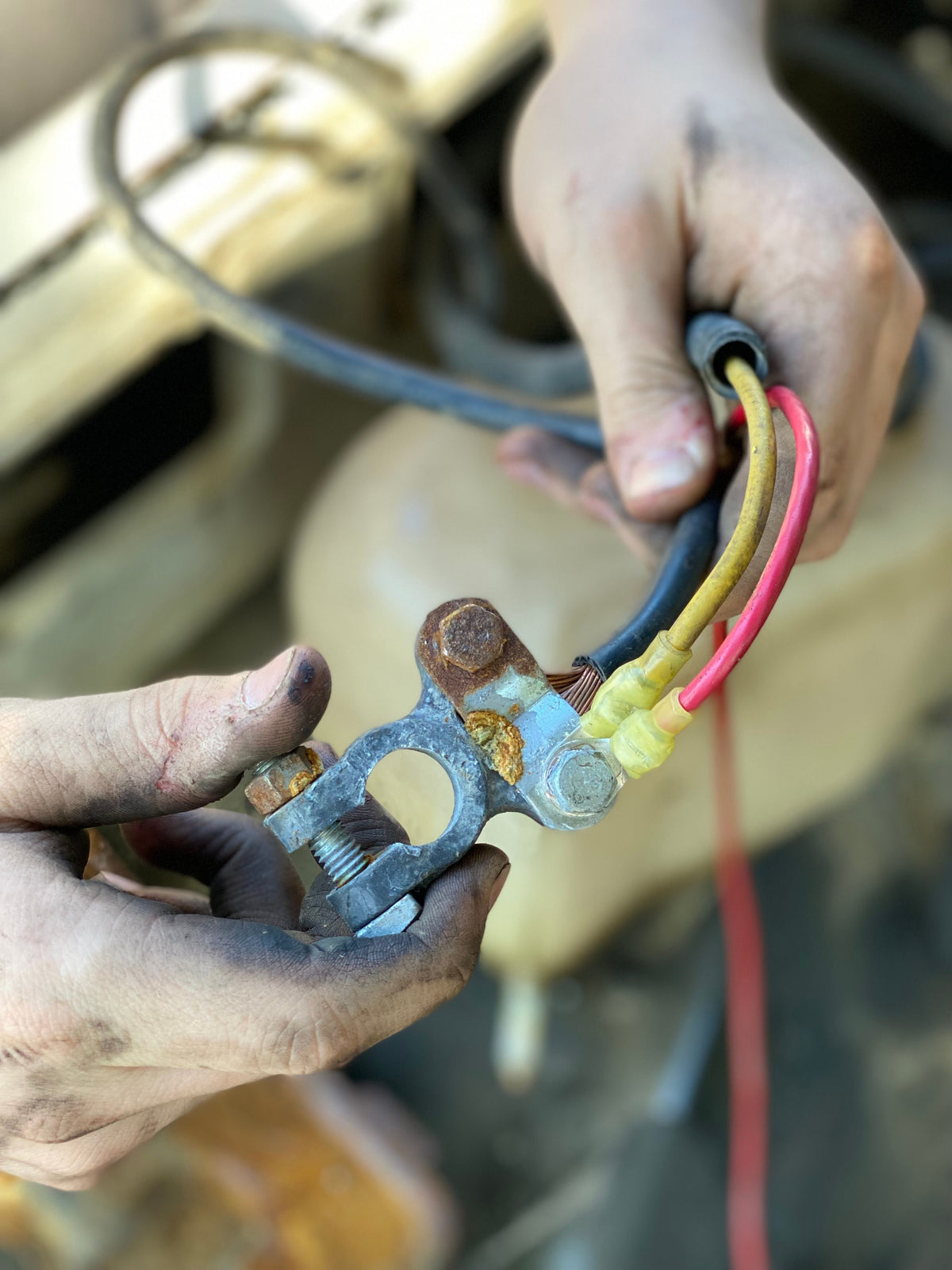
When it comes to grounding wires, you never want to leave anything to chance. Bigger is better when it comes to the gauge of grounding wires.
That’s all for now. Stay tuned for more helpful automotive tips and tricks for everything engine-management, right here on AcesEFI.com.
Thanks for continuing to bet on Aces!

Leave a comment
This site is protected by hCaptcha and the hCaptcha Privacy Policy and Terms of Service apply.